
Soft Wash vs. Roof Pressure Wash — Which Method Lasts Longer?
Your roof endures constant exposure to the elements—rain, wind, UV rays, and debris that gradually accumulate into unsightly stains, algae, and moss. When it’s time for a thorough cleaning, you’re faced with two primary options: soft washing and pressure washing. Both methods promise to restore your roof’s appearance, but which one delivers longer-lasting results?
The answer isn’t as straightforward as you might expect. While pressure washing might seem like the obvious choice for removing stubborn buildup, the longevity of your roof cleaning depends on several factors beyond initial cleaning power. Understanding the science behind each method, along with how different roofing materials respond to various cleaning approaches, is crucial for making an informed decision.
This comprehensive guide examines both soft washing and pressure washing techniques, comparing their effectiveness, safety, and most importantly, how long their results typically last. We’ll explore the factors that influence cleaning longevity and explain why many roofing professionals recommend one method over the other for sustained cleanliness.
Understanding Soft Wash: Gentle Yet Effective
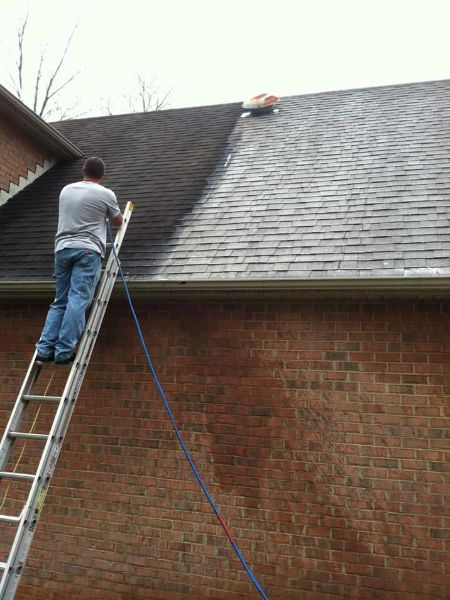
Soft washing represents a revolutionary approach to roof cleaning that prioritizes chemical action over mechanical force. This method uses low-pressure water application—typically around 100 PSI or less—combined with specially formulated cleaning solutions to eliminate organic growth, stains, and buildup.
The soft wash process begins with the application of biodegradable cleaning solutions that target specific contaminants. These solutions typically contain surfactants that break down dirt and grime, along with biocides that kill algae, moss, and other organic growth at the root level. The cleaning agents are allowed to dwell on the surface, giving them time to penetrate and break down contaminants before being gently rinsed away.
Benefits of Soft Washing
The primary advantage of soft washing lies in its thoroughness. Unlike methods that simply remove surface-level dirt, soft washing eliminates the root systems of algae and moss, preventing rapid regrowth. This biological approach means that roofs cleaned with the soft wash method typically stay cleaner for 4-6 times longer than those cleaned with pressure washing alone.
Soft washing also proves gentler on roofing materials. The low-pressure application won’t dislodge granules from asphalt shingles, crack tiles, or damage protective coatings. This preservation of the roof’s integrity not only maintains its appearance but also extends its overall lifespan.
Exploring Pressure Washing: Power with Potential Pitfalls
Pressure washing relies on high-pressure water streams—typically ranging from 1,500 to 4,000 PSI—to physically blast away dirt, debris, and organic growth from roof surfaces. This method offers immediate visual results, as years of buildup can be stripped away in minutes.
The pressure washing process involves directing concentrated water streams across the roof surface, systematically removing visible contamination. Operators often use various nozzle tips and pressure settings to adjust the cleaning intensity based on the level of buildup and roofing material.
The Effectiveness and Risks
While roof pressure washing excels at removing surface-level contamination, it comes with significant limitations and risks. The high-pressure water can damage roofing materials, particularly on older or more delicate surfaces. Asphalt shingles may lose protective granules, while tile roofs can crack or become dislodged.
More importantly, pressure washing only addresses symptoms rather than causes. While it removes visible algae and moss, it doesn’t eliminate the root systems or spores that remain embedded in the roofing material. This means that organic growth typically returns within 6-12 months, requiring more frequent cleaning cycles.
Comparing Lifespan of Cleaning Results
The most significant difference between soft washing and pressure washing lies in how long their results last. Pressure washing typically provides clean-looking results for 6-12 months before organic growth begins to reappear. The rapid regrowth occurs because the root systems and spores remain intact beneath the surface.
Soft washing, conversely, delivers results that last 4-6 years on average. This extended effectiveness stems from the method’s ability to kill organic growth at the cellular level. The specialized cleaning solutions penetrate deep into the roofing material, eliminating not just visible growth but also the microscopic organisms that cause future contamination.
Cost-Effectiveness Over Time
When evaluating the long-term value of each cleaning method, soft washing often proves more economical despite potentially higher upfront costs. A roof that undergoes pressure washing yearly may need 4-6 cleaning cycles during the same time frame that a soft-washed roof remains clean and effective.
This difference in cleaning frequency results in considerable cost savings over time. Additionally, soft washing reduces inconvenience and minimizes the potential damage caused by repetitive cleaning, making it a more sustainable and practical choice for maintaining roofing materials in the long run.

Factors Affecting Cleaning Lifespan
Several environmental and structural factors influence how long roof cleaning results last, regardless of the method used. Understanding these variables helps set realistic expectations and may inform your choice between cleaning approaches.
Environmental Conditions
Climate plays a crucial role in cleaning longevity. Humid, warm environments promote faster organic growth, potentially reducing the effectiveness period of both cleaning methods. Areas with heavy tree coverage face additional challenges from falling debris, sap, and increased moisture retention.
UV exposure affects cleaning results differently depending on the method used. While intense sunlight can fade some cleaning solutions used in soft washing, it also helps prevent organic growth. Pressure-washed surfaces may actually deteriorate faster under UV exposure due to the removal of protective surface materials.
Roofing Material Considerations
Different roofing materials respond uniquely to various cleaning methods. Asphalt shingles, the most common roofing material in North America, are particularly susceptible to pressure washing damage but respond excellently to soft washing techniques.
Clay and concrete tiles present their own challenges. While these materials can typically withstand higher pressure than asphalt shingles, the grout lines between tiles are vulnerable to damage. Soft washing proves gentler on these connecting materials while still effectively cleaning the tile surfaces.
Metal roofing requires careful consideration of coating integrity. Pressure washing can strip protective finishes, leading to premature corrosion and reduced lifespan. Soft washing preserves these coatings while effectively removing contamination.
Why All Washed Up Recommends Soft Wash
At All Washed Up, years of experience in roof cleaning have demonstrated the superior long-term value of soft washing for most applications. Their team has observed firsthand how soft-washed roofs maintain their clean appearance for years while pressure-washed roofs often require annual touch-ups.
The company’s soft wash approach combines industry-leading cleaning solutions with meticulous application techniques. Their technicians are trained to identify the specific types of contamination present on each roof and adjust their treatment accordingly. This customized approach maximizes the longevity of cleaning results while ensuring the safety of the roofing materials.
Beyond the extended cleaning duration, All Washed Up emphasizes the protective benefits of their soft wash method. By preserving the integrity of roofing materials, this gentle approach helps homeowners avoid premature roof replacement costs while maintaining optimal weather protection.

DIY vs. Professional Roof Cleaning
While you might be tempted to tackle roof cleaning yourself, it’s a job best left to professionals.
- DIY Pros: The most immediate and often cited benefit of a DIY approach is the potential for significant upfront cost savings, primarily by eliminating the labor fees associated with hiring professional services. For some, there’s also a sense of accomplishment in tackling home maintenance tasks personally.
- DIY Cons: The risks of roof cleaning often outweigh the perceived savings. Working at heights on a slippery, angled surface is dangerous, with slips and falls posing a major hazard. Additionally, improper cleaning methods, like using excessive pressure or harsh chemicals, can damage your roof. This may strip protective granules, loosen tiles, or void your warranty, leading to costly repairs or premature replacement—negating any initial savings.
A professional service like All Washed Up has the right equipment, safety training, and expertise to do the job safely and effectively, ensuring you get the best possible results without risking your safety or your roof’s integrity.
Make the Right Choice for a Lasting Clean
Choosing the right cleaning method is key to maintaining your roof’s health and appearance. While pressure washing offers a quick fix, its potential for damage and short-lived results make it a poor choice for most roofing materials.
Soft wash roof cleaning provides a safer, more effective, and significantly longer-lasting solution by addressing the root cause of the problem. It’s an investment that protects your roof and keeps your home looking its best for years.
If you’re ready to restore your roof’s beauty safely and effectively, contact All Washed Up today for a free consultation and estimate.
https://www.google.com/maps?cid=6190010787751412671


