
Pressure Washing 101: How to Avoid Damaging Your Driveway or Patio
Your driveway and patio are significant investments that deserve proper care. When done correctly, pressure washing can restore these surfaces to their original beauty and extend their lifespan. However, using the wrong technique or equipment can cause costly damage that requires expensive repairs or complete replacement.
At All Washed Up, we’ve seen both the transformative power of proper pressure washing and the unfortunate consequences when homeowners attempt the job without adequate knowledge. Cracked concrete, gouged wood, and damaged pavers are all preventable with the right approach.
This comprehensive guide will walk you through every aspect of safe pressure washing, from identifying your surface materials to knowing when to call in professionals. By the end, you’ll have the confidence to tackle your outdoor cleaning projects without risking damage to your property.
Understanding Your Driveway and Patio Materials
Before you even think about firing up a pressure washer, you need to identify what type of surface you’re working with. Different materials require vastly different approaches, and what works perfectly on concrete could destroy natural stone.
Driveway Materials
Concrete driveways are among the most durable surfaces for pressure washing. They can typically handle pressures up to 3,000 PSI when properly executed. However, aged or poorly maintained concrete may have weaker areas that require gentler treatment.
Asphalt driveways need much more careful handling. This material is softer and more vulnerable to damage from high-pressure water. Generally, asphalt should never be subjected to more than 1,500 PSI, and even then, proper technique is crucial.
Paver driveways present unique challenges because the joints between pavers can be vulnerable to sand displacement. While the pavers themselves might handle moderate pressure, you risk destabilizing the entire surface if you’re not careful with the joint areas.
Patio Materials
Natural stone patios vary widely in their pressure tolerance. Granite and other hard stones can handle more aggressive cleaning, while softer stones like limestone or sandstone require gentle approaches to avoid surface erosion.
Brick patios can generally handle moderate pressure wash cleaning, but older brick or lime-based mortar joints may crumble under excessive pressure. Always test a small, inconspicuous area first.
Wood decking requires the most delicate approach. Even pressure-treated lumber can be damaged by excessive pressure, and softer woods can be gouged or splintered easily.
To identify your material, look for manufacturer markings, consult building records, or contact All Washed Up for professional material assessment.

Essential Equipment and Safety Gear
Having the right equipment is fundamental to safe pressure washing. Your pressure washer should have adjustable pressure settings and interchangeable nozzles. For most residential applications, a pressure washer rated between 1,500-3,000 PSI provides sufficient power while maintaining control.
Safety Equipment
Never underestimate the importance of proper safety gear. Safety goggles protect your eyes from debris and chemical splash-back. Heavy-duty gloves prevent cuts from debris and provide better grip control. Long pants and closed-toe shoes protect your legs and feet from high-pressure water streams that can cause serious injury.
Selecting Your Pressure Washer
Gas-powered units typically offer more power and mobility but require more maintenance. Electric models are quieter and require less upkeep but may have limited mobility due to cord length. For most driveways and patios, a mid-range electric unit provides adequate power with easier handling.
Choosing the Correct Nozzle
Nozzle selection is perhaps the most critical factor in preventing damage. Each nozzle creates a different spray pattern and pressure concentration.
The 0-degree nozzle creates an intense, concentrated stream that can cut through almost anything—including your driveway surface. This nozzle should rarely be used on residential surfaces and never by beginners.
The 15-degree nozzle provides high-intensity cleaning suitable for tough stains on durable surfaces like concrete. Use this only on materials you know can handle high pressure.
The 25-degree nozzle offers a good balance of cleaning power and surface protection. This is often the best choice for most driveway and patio cleaning tasks.
The 40-degree nozzle provides gentle cleaning suitable for delicate surfaces, vehicles, and initial testing on unknown materials.
The soap nozzle allows for detergent application at low pressure, perfect for pre-treating stains and applying cleaning solutions.
Preparing the Area for Pressure Washing
Proper preparation makes the pressure cleaning process smoother, safer, and more effective. Taking a few minutes to prepare the area will protect your property and ensure a uniform finish.
- Clear the Area: Remove all furniture, potted plants, toys, vehicles, and any other objects from the driveway or patio. Sweep away large debris like leaves, branches, and loose dirt.
- Protect Surroundings: Cover nearby plants, shrubs, and flower beds with plastic sheeting or tarps to protect them from the high-pressure spray and any cleaning solutions. Use painter’s tape to secure sheeting over delicate light fixtures, electrical outlets, and door frames.
- Pre-Treat Stains: stubborn stains like oil, rust, or mold may require pre-treatment. At All Washed Up, we use specialized, eco-friendly cleaners for different types of stains. For DIY projects, you can find degreasers for oil stains and mildew removers at your local hardware store. Apply the solution according to the manufacturer’s instructions and let it sit for the recommended time before pressure washing. Always test cleaners on a small, hidden area first to check for discoloration.
The Correct Pressure Washing Technique
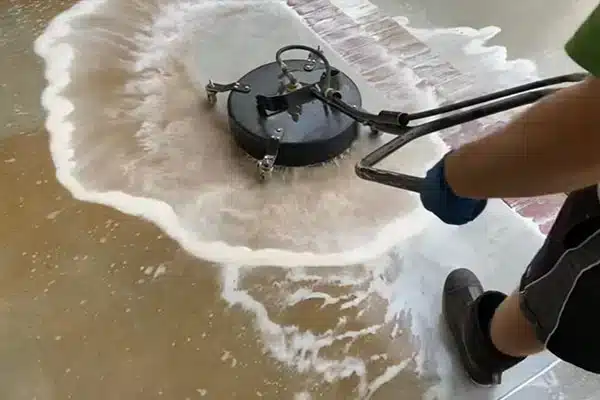
Now that your area is prepped and you have the right equipment, it’s time to start washing. Technique is everything. The goal is to clean consistently without leaving streaks, lines, or marks.
Start with Low Pressure
Connect all your hoses and turn on the water supply. Begin with the widest angle nozzle (white 40°) attached to the wand. Hold the wand firmly with both hands and squeeze the trigger.
Maintain Proper Distance and Angle
Hold the nozzle about 12-18 inches away from the surface. Never get too close, as this concentrates the pressure and can cause damage. Keep the wand at a 45-degree angle to the surface. This helps lift the dirt off instead of driving it deeper into the pores of the material.
Use Consistent, Overlapping Strokes
Work in a systematic way, moving the wand in a smooth, sweeping motion. Overlap each stroke by about 30-50% to avoid creating visible lines or “zebra stripes.” Work in small, manageable sections, starting from the highest point and moving downwards to prevent dirty water from running over areas you’ve already cleaned. Never point the spray directly at the joints of pavers or the gaps between deck boards.
Post-Washing Care and Maintenance
Your work isn’t finished once the dirt is gone. Proper after-care will protect your newly cleaned surface and prolong its life.
- Rinse Thoroughly: After you’ve finished washing, switch to a low-pressure nozzle or use a regular garden hose to rinse the entire surface. This removes any loosened debris and residual cleaning solution.
- Allow to Dry Completely: Let the driveway or patio dry for at least 24-48 hours before moving furniture back or driving on it.
- Apply a Sealant: To protect your surface from future stains and damage, consider applying a sealant specifically designed for your type of surface. This will also help to enhance the appearance of your outdoor space.
- Regular Maintenance: To keep your outdoor surfaces looking their best, it’s important to regularly maintain them. This can include sweeping or hosing down the area, removing any stains as soon as possible, and reapplying sealant every few years.
When to Call a Professional
Some surface cleaning scenarios necessitate professional assistance to ensure quality results and prevent potential damage. If your surface has structural issues, intricate materials like natural stone, or hasn’t undergone cleaning for years, seeking expert help is often the safest choice.
Tackling complex stain removal, handling delicate or antique materials, and managing expansive areas are challenges best addressed with professional-grade equipment and expertise. Attempting these tasks without proper tools or experience can risk permanent damage to your property or surfaces.
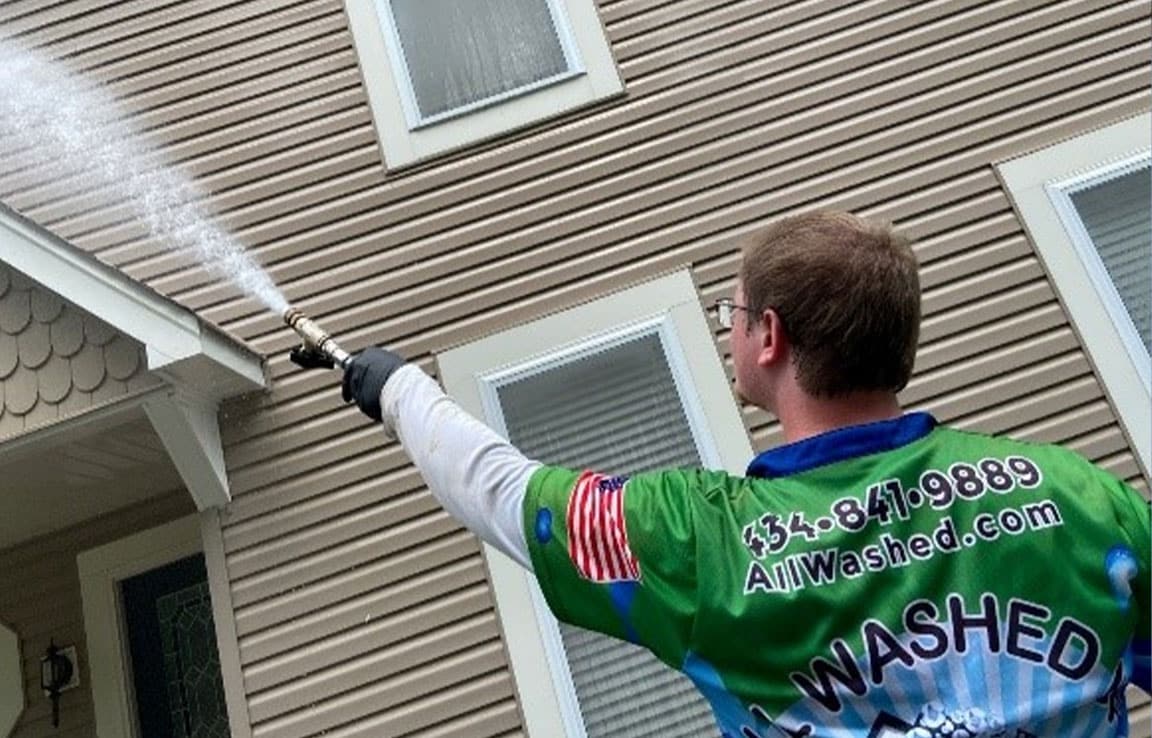
All Washed Up offers highly trained technicians equipped with specialized tools to manage even the most challenging cleaning jobs. Their experience ensures efficient cleaning and maintenance, restoring your surfaces while safeguarding their integrity for long-term durability.
Protect Your Investment with Proper Technique
Pressure washing your driveway and patio doesn’t have to be a nerve-wracking experience. With proper knowledge, equipment, and technique, you can safely maintain these important outdoor spaces and keep them looking their best for years to come.
Remember that patience and careful attention to detail prevent costly mistakes. When in doubt, start with lower pressure and gentler techniques. You can always increase intensity, but you can’t undo damage from excessive pressure.
If you’re unsure about any aspect of pressure washing your outdoor surfaces, don’t hesitate to contact All Washed Up for a professional consultation. Our experienced team can assess your specific situation and provide either guidance for DIY projects or professional services to ensure your surfaces are cleaned safely and effectively.
https://www.google.com/maps?cid=6190010787751412671


