
Commercial Pressure Washing Rates: What Property Owners Should Know
Dirty exteriors don’t just look bad—they cost you. Grime, mold, and algae buildup can degrade surfaces over time, leading to expensive repairs and replacements that could have been avoided. For property owners managing commercial buildings, regular pressure washing isn’t just about curb appeal. It’s a practical investment in the long-term health of your property.
But when it comes to hiring a professional service, pricing can feel like a mystery. Rates vary widely depending on the size of the job, the surfaces involved, and the complexity of the work. Without a clear understanding of how commercial pressure washing is priced, it’s easy to overpay—or worse, choose the wrong provider.
This guide breaks down everything you need to know about commercial pressure washing rates, from the key factors that drive costs to the differences between pricing models. You’ll also find practical maintenance tips to protect your surfaces between cleanings, and learn how All Washed Up approaches commercial projects for property managers.
Why Commercial Pressure Washing Is Worth the Investment
First impressions matter. A clean building signals professionalism, attracts tenants, and reassures customers. But the value of regular pressure washing runs deeper than aesthetics.
Over time, biological growth like mold, algae, and lichen can eat into concrete, brick, and siding. Oil stains on parking lots can become slip hazards. Clogged gutters and dirty walkways accelerate wear and tear. Left unaddressed, these issues compound into costly structural repairs.
Regular professional cleaning extends the lifespan of your surfaces, keeps your property compliant with local health and safety codes, and can even improve your building’s energy efficiency by removing debris from HVAC intakes and ventilation areas.
What Drives Commercial Pressure Washing Costs
Pricing for commercial pressure washing is not a one-size-fits-all service; a variety of factors interact to determine the final cost of any given project. Understanding these key variables can help property managers and business owners accurately budget for maintenance and make informed decisions when hiring a professional service.
Square Footage
The most significant pricing variable is typically the total size of the area being cleaned. Larger surface areas, such as extensive parking lots, long walkways, or multi-level building facades, naturally demand more time, a greater volume of water, and more intensive labor. Consequently, these factors drive up the overall cost. Most professional pressure washing companies establish a base rate per square foot, which then serves as a starting point before other complexities are taken into consideration. This initial measurement provides a fundamental framework for the project’s scope.
Surface Type
The materials being cleaned have a profound impact on the methodology and, therefore, the price. Different surfaces require distinct equipment, carefully calibrated pressure settings, and specific cleaning solutions to ensure effectiveness without causing harm. For instance, robust surfaces like concrete driveways and parking lots can withstand high-pressure washing to remove stubborn grime. In contrast, more delicate materials such as brick facades, painted sidings, or wooden decks necessitate softer, lower-pressure techniques to prevent chipping, stripping, or other forms of damage. Furthermore, specialty surfaces like expansive glass storefronts, EIFS (Exterior Insulation and Finish Systems), or aluminum cladding often command a premium due to the specialized expertise and meticulous care required to clean them properly.
Level of Cleaning Difficulty
The intensity and nature of the dirt and staining are critical cost drivers. A lightly soiled entryway that was last cleaned six months ago presents a much simpler task than a heavily stained industrial loading dock that has accumulated years of built-up grease, oil, and grime. The presence of stubborn stains from rust or graffiti, biological growth like mold, mildew, or algae, and deeply embedded dirt will require more advanced cleaning agents, longer dwell times for the solutions to work, and potentially multiple passes with the pressure washing equipment. Each of these elements adds to the labor time and material costs, directly impacting the final price.
Accessibility and Location
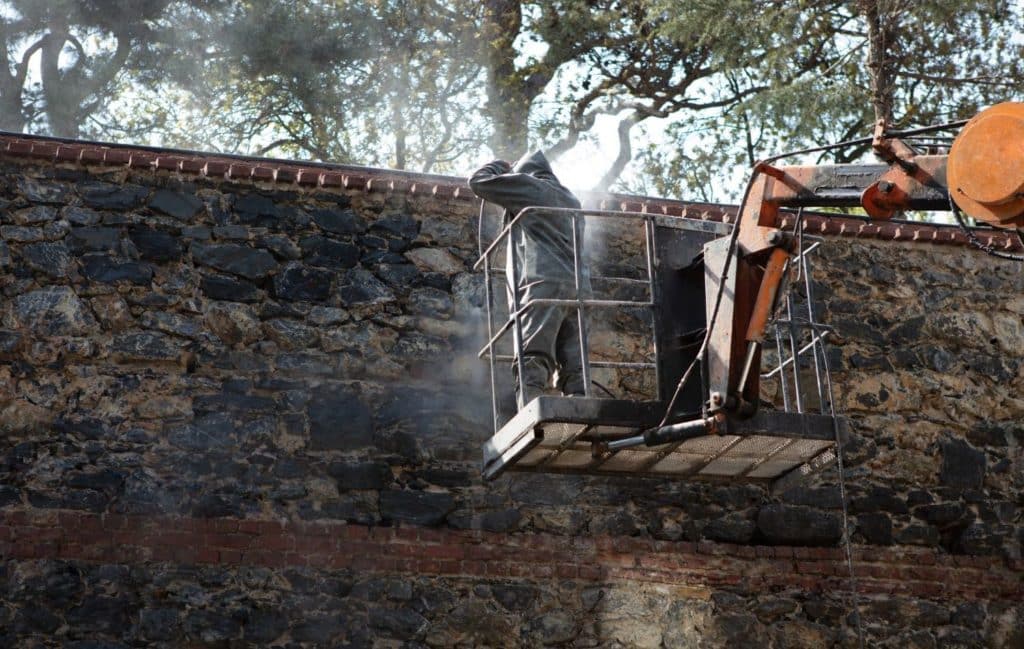
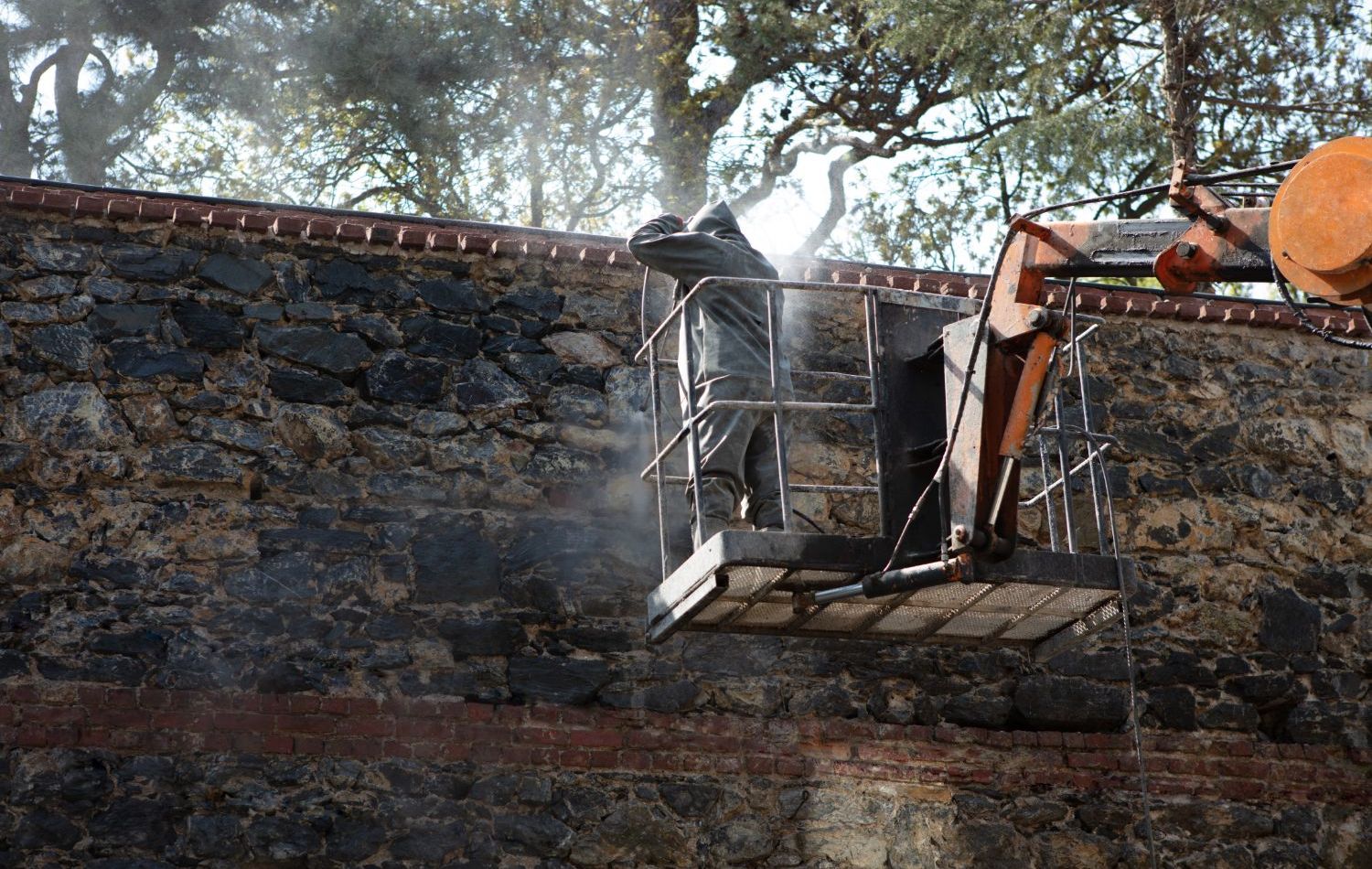
The ease with which a cleaning crew can access the target surfaces plays a significant role in pricing. Ground-level sidewalks and patios are generally straightforward and cost-effective to clean. However, challenges arise with multi-story buildings, complex rooflines, or areas with restricted access, such as narrow alleyways or enclosed courtyards. These situations often necessitate the use of additional specialized equipment, including scaffolding, boom lifts, or extended-reach wands to safely and effectively complete the job. The logistics of setting up and operating this equipment add both time and cost to the project.
Frequency of Service
The scheduling of the cleaning service also influences the price. One-off, deep-cleaning projects typically cost more per visit compared to regularly scheduled maintenance contracts. Property owners who commit to a recurring service plan—whether quarterly, bi-annually, or annually—are often rewarded with preferential rates. This is because consistent maintenance prevents the severe buildup of dirt and grime, making each subsequent cleaning job faster, easier, and therefore less expensive for the provider to perform. This creates a mutually beneficial arrangement that keeps the property looking its best while managing costs over the long term.
Hourly Rates vs. Flat-Fee Pricing: Which Model Works Better?
When getting quotes for commercial pressure washing, you’ll likely encounter two pricing structures: hourly rates and flat-fee (or project-based) pricing. Both have their merits, and the right choice depends on the nature of your project.
Hourly Rate Pricing
Hourly rates for commercial pressure washing typically range from $50 to $150 per hour, depending on the provider, equipment used, and local market rates. This model works well for smaller or unpredictable jobs where the scope is hard to define upfront—like cleaning after a construction project or responding to an unexpected spill.
The downside? Costs can escalate if the job takes longer than expected. Without a clear estimate, budgeting becomes difficult.
Flat-Fee Pricing
Flat-fee pricing is calculated based on the specifics of the job—square footage, surface type, difficulty, and access requirements. For most commercial property owners, this model offers more predictability and is easier to budget for.
Flat-fee quotes also incentivize efficiency on the provider’s end: a professional crew has every reason to work quickly and effectively, rather than extending hours.
For large or complex projects—parking structures, multi-building campuses, or full exterior facade cleanings—flat-fee pricing is generally the smarter choice. It gives both parties a clear understanding of scope and cost before any work begins.
Getting an Accurate Quote
Regardless of pricing model, a reliable provider should conduct a site assessment before quoting. Be cautious of companies that provide pricing over the phone without seeing the property. Variables like surface condition, drainage considerations, and access constraints can significantly affect the actual cost of the job.

Specialized Commercial Services from All Washed Up
All Washed Up offers a comprehensive suite of pressure washing services tailored specifically for commercial property managers and owners. Rather than a generic cleaning approach, their team assesses each property individually and develops a cleaning plan suited to its unique needs.
Their commercial services include:
- Parking lot and garage cleaning — Removal of oil stains, tire marks, and accumulated grime from high-traffic surfaces
- Building exterior washing — Safe, effective cleaning of brick, concrete, stucco, EIFS, and cladding systems
- Sidewalk and walkway cleaning — Slip hazard prevention through removal of algae, mold, and surface contaminants
- Dumpster pad cleaning — Deodorizing and sanitizing waste areas to maintain hygiene standards
- Graffiti removal — Prompt, professional graffiti treatment to restore building appearance
- Fleet and equipment washing — Keeping commercial vehicles and machinery clean and presentable
For property managers overseeing multiple sites, All Washed Up can coordinate service schedules across locations, providing consistent results and consolidated billing. Their team uses commercial-grade equipment and environmentally responsible cleaning agents, ensuring effective results without unnecessary chemical runoff.
Maintenance Tips to Extend the Life of Your Surfaces
Professional pressure washing does the heavy lifting, but routine maintenance between services can significantly extend the lifespan of your building’s surfaces and reduce cleaning costs over time.
Schedule Regular Inspections
Make it a habit to walk your property regularly and check for early signs of mold, algae, or other biological growth. Pay close attention to areas like north-facing walls, shaded walkways, and spots with poor drainage, as these are the most likely to develop problems. Identifying and addressing these issues early can save you time and money by keeping cleaning jobs smaller and preventing surface damage over the long term.
Address Drainage Issues Promptly
Standing water not only increases the risk of biological growth and staining but can also lead to structural issues over time. Check that your gutters, downspouts, and drainage channels are clear and functioning properly to prevent water from pooling near foundations or on flat surfaces. Addressing drainage issues quickly will help maintain both the cleanliness and integrity of your property.
Treat High-Traffic Areas More Frequently
High-use zones like entryways, loading docks, and parking areas tend to collect dirt, grime, and debris much faster than other parts of your property. Scheduling spot cleanings for these areas between full-property services can help maintain a polished appearance and prevent long-term buildup. This is especially important during wet seasons when mud, rain, and organic debris are more likely to be tracked into these spaces.
Use Sealants After Cleaning
After a professional cleaning, consider applying concrete or paver sealants to help protect your surfaces. Sealants work by repelling stains, slowing the regrowth of mold and algae, and making future cleaning much easier. Talk to your pressure washing provider to determine whether sealing is a good fit for your specific surfaces. It’s a small additional investment that can significantly extend the lifespan of your property’s exterior.
Communicate With Tenants
For commercial properties with multiple tenants, maintaining clear communication is key to keeping shared spaces clean and well-maintained. Set clear expectations with tenants regarding waste disposal, spill reporting, and outdoor area upkeep. Encouraging consistent small habits from everyone in the building can reduce the overall strain on cleaning services and help your property stay in top condition.

Get a Professional Quote from All Washed Up
Understanding how commercial pressure wash cleaning is priced puts you in a much stronger position as a property owner. You can ask better questions, compare quotes more accurately, and make decisions that genuinely protect your investment.
If you manage a commercial property and want a clear, honest assessment of what professional cleaning would cost, All Washed Up is ready to help. Their team works with property owners and managers across the region, providing transparent pricing, reliable scheduling, and consistent results.
https://www.google.com/maps?cid=6190010787751412671


